Wednesday at 2 PM (UTC +1)

As software teams ship faster and systems grow more complex, traditional test management tools are struggling to keep up. Spreadsheets, static test cases, and manual reporting can no longer support the scale, speed, and collaboration modern development demands.
This is where AI-powered test management comes in.
Understanding Test Management
Test management is the practice of planning, organising, executing, and tracking testing activities across a software project. It typically includes:
- Creating and maintaining test cases
- Organising test suites and test runs
- Tracking defects and test results
- Ensuring traceability between requirements, tests, and bugs
- Providing visibility into release quality
Traditional tools rely heavily on manual effort. Test cases must be written, updated, and reviewed by hand. Reporting is often reactive. Insights come late, usually after defects have already escaped.
AI-powered test management changes this model.
What Makes Test Management “AI-Powered”?
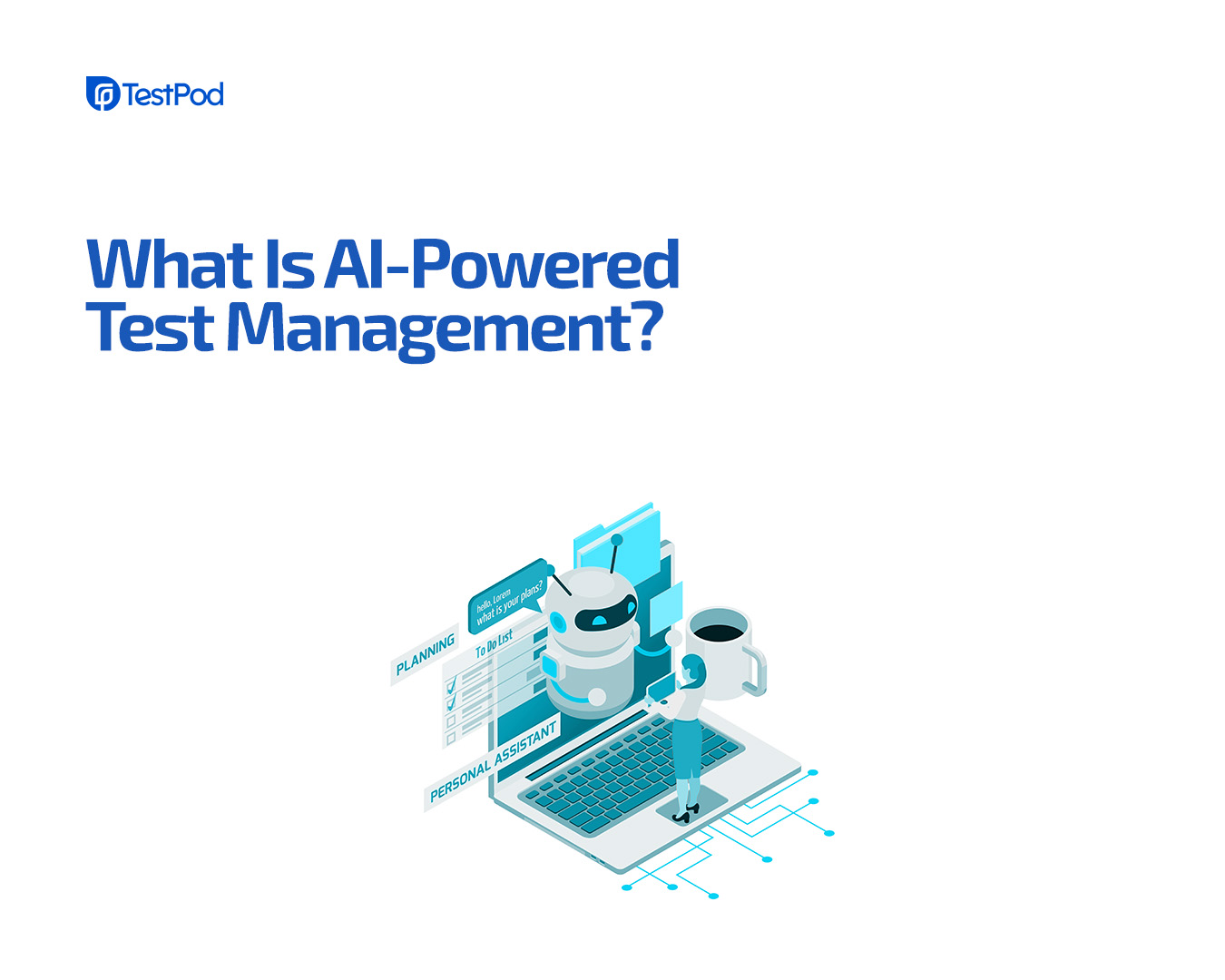
AI-powered test management uses machine learning and intelligent automation to reduce manual work, improve accuracy, and surface insights that humans would otherwise miss.
Instead of acting as a passive repository, an AI-powered system becomes an active participant in quality engineering.
Key characteristics include:
1. Intelligent Test Case Creation
AI can generate test cases from requirements, user stories, acceptance criteria, or past test data. This accelerates test design and improves coverage, especially for fast-moving teams.
2. Smarter Test Organisation
AI helps group, prioritise, and recommend test cases based on risk, change history, and execution patterns, making large test suites easier to manage.
3. Predictive Insights
Rather than waiting for failures, AI analyses trends to highlight:
- High-risk areas
- Flaky tests
- Likely failure points before execution
4. Enhanced Traceability
AI automatically links requirements, tests, defects, and releases, giving teams real-time visibility into quality status without manual mapping.
5. Actionable Reporting
Instead of static dashboards, AI-powered reports explain why something failed, what it impacts, and where teams should focus next.
How AI-Powered Test Management Supports Modern Teams
1. Faster Release Cycles
By automating repetitive test management tasks, teams spend less time maintaining artefacts and more time improving product quality.
2. Better Collaboration
AI-driven insights are accessible to QA, developers, and product managers alike, creating a shared understanding of quality across roles.
3. Scalable Quality
As teams and products grow, AI helps maintain structure, consistency, and visibility without linear increases in effort.
4. Reduced Human Error
Automation minimises missed test cases, outdated documentation, and inconsistent reporting.
AI-Powered Test Management vs Traditional Tools
| Traditional Test Management | AI-Powered Test Management |
| Manual test creation | AI-generated test cases |
| Static test suites | Adaptive, risk-based organization |
| Reactive reporting | Predictive quality insights |
| Heavy maintenance | Continuous learning and optimisation |
| QA-only visibility | Cross-team quality transparency |
Where TestPod Fits In
TestPod is built to support AI-powered test management for modern software teams.
It combines:
- Centralised management of manual and automated tests
- AI-assisted test case creation and organisation
- Smart traceability from requirements to defects
- Clear, actionable reporting for release confidence
By integrating AI into test management, TestPod helps teams move from simply tracking tests to engineering quality as a system.
The Future of Test Management
AI-powered test management is not about replacing testers. It’s about augmenting human judgment with intelligent systems that scale.
As AI becomes embedded across development workflows, test management will evolve from a passive tool into a strategic layer—one that continuously learns, adapts, and strengthens confidence in every release.
For teams building fast, complex software, AI-powered test management is no longer optional. It’s the foundation for sustainable quality.